A well-prepared journey leaves room to enjoy it. The most useful travel-security decisions are often made before departure, while there is time to consider alternatives.
A family holiday and a demanding business itinerary can require very different arrangements. Travel risk management starts with the traveller, the destination and the purpose of the journey, rather than a standard checklist applied without context.
1. Understand the destination and your itinerary
Start with official destination advice, including the places you will transit through. The Government of Canada’s Travel Advice and Advisories and the UK Foreign, Commonwealth & Development Office (FCDO) provide destination guidance on safety, security, entry requirements and local conditions.1, 3 Consult the advice issued for your nationality, alongside relevant local updates.
Then consider your own plans. Where will you stay? Will you arrive late? Are there public appearances, unfamiliar locations or particular privacy concerns? A country-level overview is a starting point; it cannot answer every question about a specific journey.
2. Plan the handovers
Review the transitions between airport, vehicle, accommodation and scheduled commitments. Confirm who is responsible for each arrangement and how changes will be communicated.
We recommend confirming transport details through a trusted contact before travel, alongside an alternative if the original arrangement falls through. The aim is to reduce avoidable uncertainty on arrival, particularly when travelling tired or with children.
3. Know where assistance will come from
Identify suitable local hospitals, police stations and fire stations near your accommodation and key stops on the itinerary. Record their locations, local emergency numbers and practical access routes, and check what medical facilities can provide the care you may need.
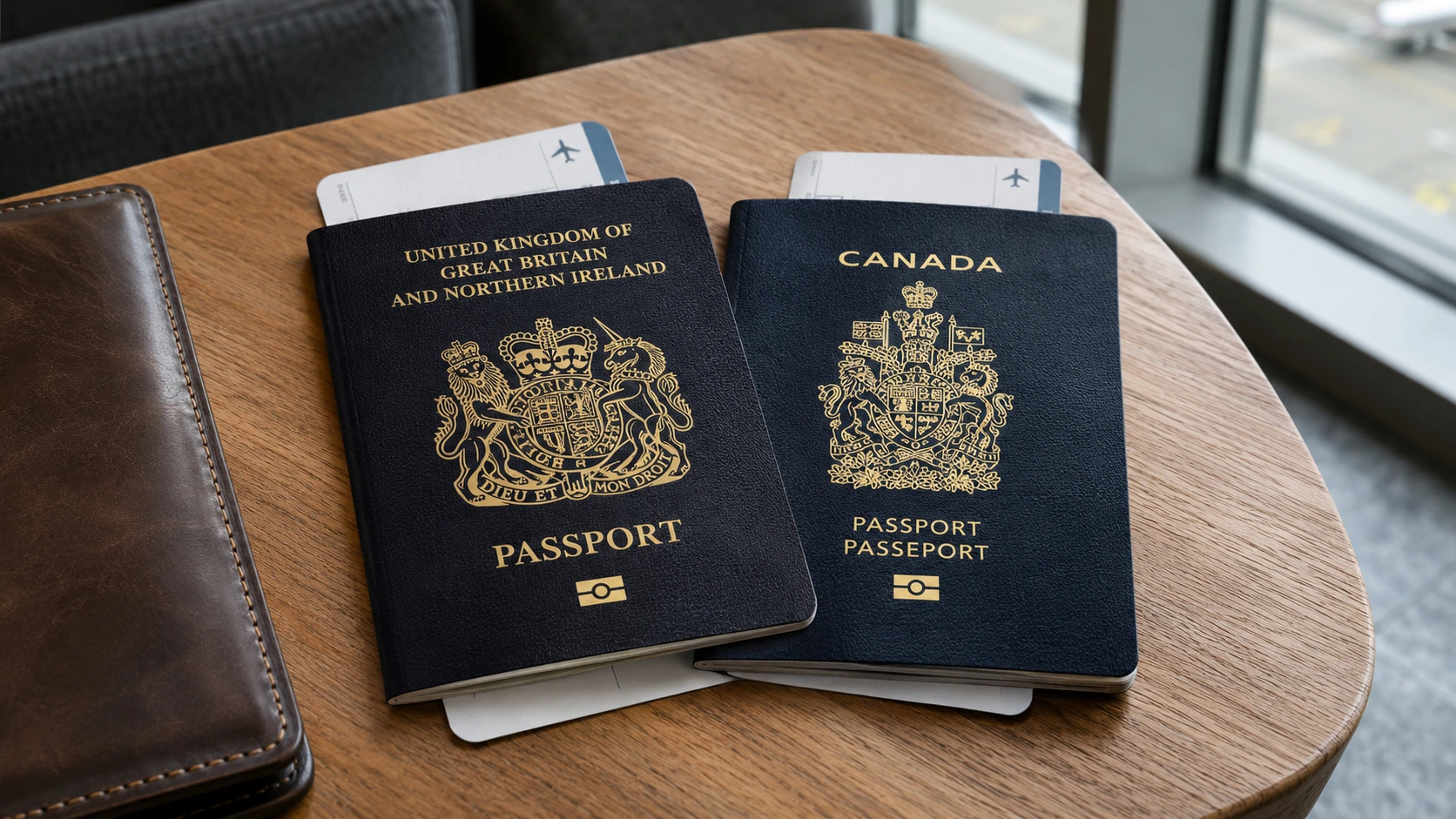
Locate the embassy, high commission or consulate relevant to each traveller’s nationality, and save its emergency contact details. For British nationals, the FCDO’s overseas mission directory is a useful starting point.4 Keep these details available offline, alongside insurance documents, and understand how to reach your insurer or assistance provider.
Where specialist support is appropriate, establish which third-party security or medical assistance organisation will respond, what its service covers and how support will be activated.
The Canadian government's traveller checklist recommends travel insurance, access to emergency funds and sharing itinerary and document copies with a trusted person.2 Store sensitive information securely and share it only with people who need it.
Any medical or medication questions should be addressed with an appropriate healthcare professional before departure. Protection personnel can support emergency preparedness, but do not replace suitable insurance or access to clinical care.
4. Agree how you will stay connected
Decide who should know your whereabouts and how you will reach them if plans change. Consider lost phones, interrupted connectivity and a delayed return, rather than assuming your usual method will always work.
Where the destination or assessed risk warrants it, consider satellite communications (satcoms) and location trackers linked to a third-party security organisation or assistance provider. Confirm coverage, local restrictions, who monitors alerts and what response follows an SOS or missed check-in. Agree who can access location data, and test the equipment and escalation procedure before departure.
For Canadian citizens, Registration of Canadians Abroad provides a way to receive relevant official information during emergencies.2 Travellers of other nationalities should check the support available through their own government.
5. Choose the right level of support
Some journeys call for independent advice and careful planning. Others benefit from a protection professional accompanying the client, especially where continuity, privacy or a complex schedule matters.
A carefully selected Vawzen Solutions operative can travel with you, working discreetly and blending naturally into your arrangements. The level of visibility should reflect your preferences and assessed circumstances, with the ability to respond taking priority when needed.
Coverage is confirmed for the destinations, dates and requirements, including appropriate local arrangements. Planning support is also available independently of accompanying protection.
Keep the plan current
Review arrangements if the itinerary or conditions change. Before leaving, ask one final question: if the next part of the journey does not go as planned, do we know who to contact and what our alternatives are?
Good preparation should make travel feel easier. It gives you a considered foundation from which to live, work and explore with greater confidence.
Explore travel risk management or discuss your travel plans with Vawzen Solutions.
Useful official guidance
- Government of Canada: Travel Advice and Advisories.
- Government of Canada: Traveller's checklist.
- UK FCDO: Foreign travel advice.
- UK FCDO: Find a British embassy, high commission or consulate.
- U.S. Department of State: Travel Advisories.
- Australian Government: Smartraveller.
Sources checked 9 November 2026. Check current advice for every destination before travel. The planning recommendations above are Vawzen Solutions' editorial guidance.